PIMA COUNTY, Ariz. — The Coalition for Sonoran Desert Protection (CSDP), a local conservation non-profit, recently released a report on the wildlife trends near the Oracle Road wildlife crossings in Oro Valley.
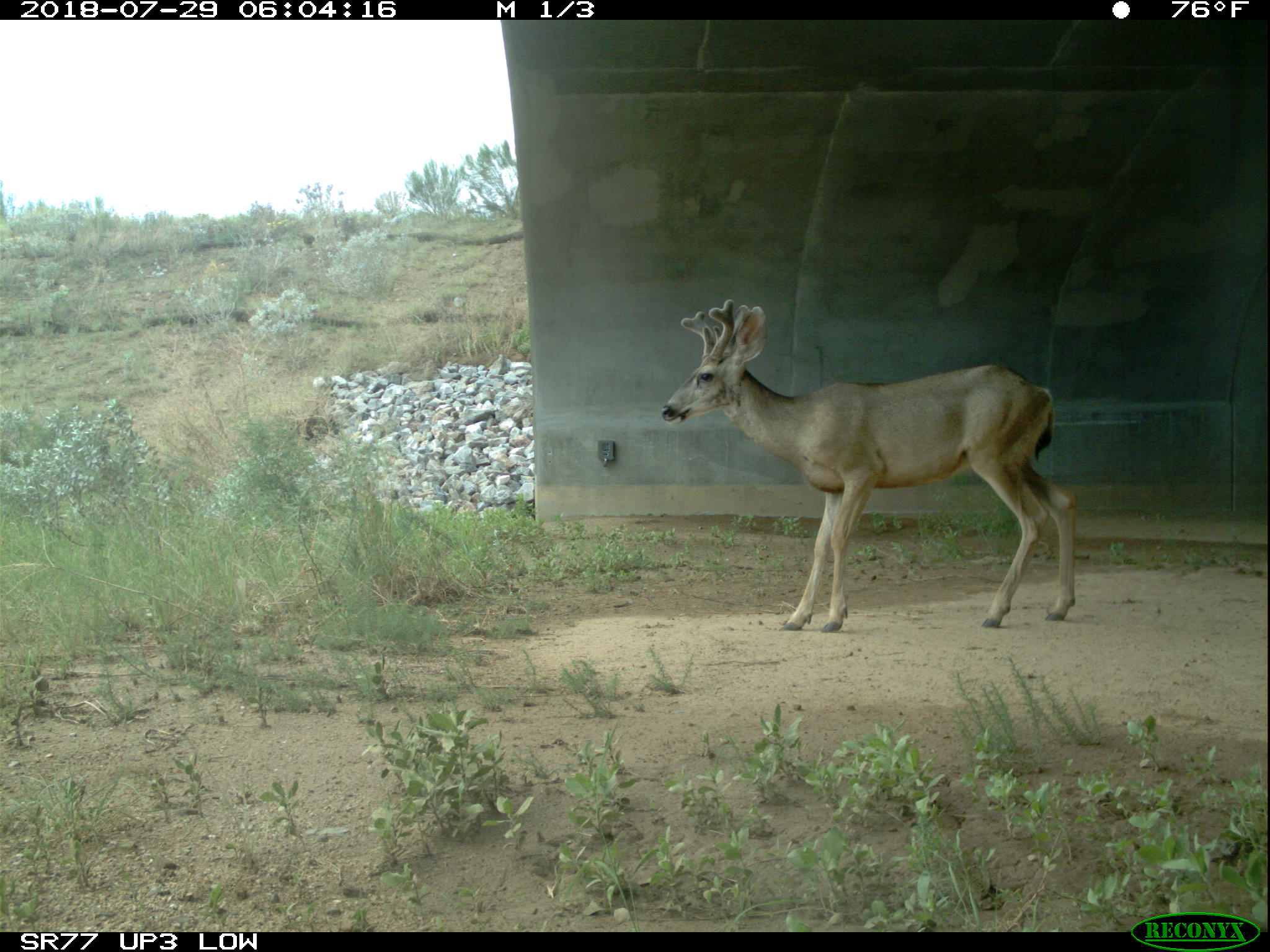
The report covers thirteen years of wildlife camera-trap data collected on either side of the Ann Day Memorial Wildlife Bridge and its sister underpass, one mile south. The crossings span the six-lane highway north of Catalina State Park and now see an average of 3,500 animals crossing the road each year.
Wildlife in Oro Valley has struggled with the rise in development. Roadways that fragment habitats, vehicle collisions and other physical barriers make it more difficult than ever for animals to access food, water and maintain healthy populations.
In 2012, CSDP and their volunteers installed wildlife cameras on either side of Oracle Road. They wanted to see exactly which wildlife were moving through the area and what would change after the new wildlife crossing structures were built in 2016. Volunteers helped lead the project throughout its 13 years, checking cameras in the field, identifying species captured in photos, and reporting back the collected data. The Arizona Game and Fish Department (AZGFD) installed wildlife cameras after the bridge and underpass were built, and both groups continued collecting data as hundreds more wildlife photos started rolling in.
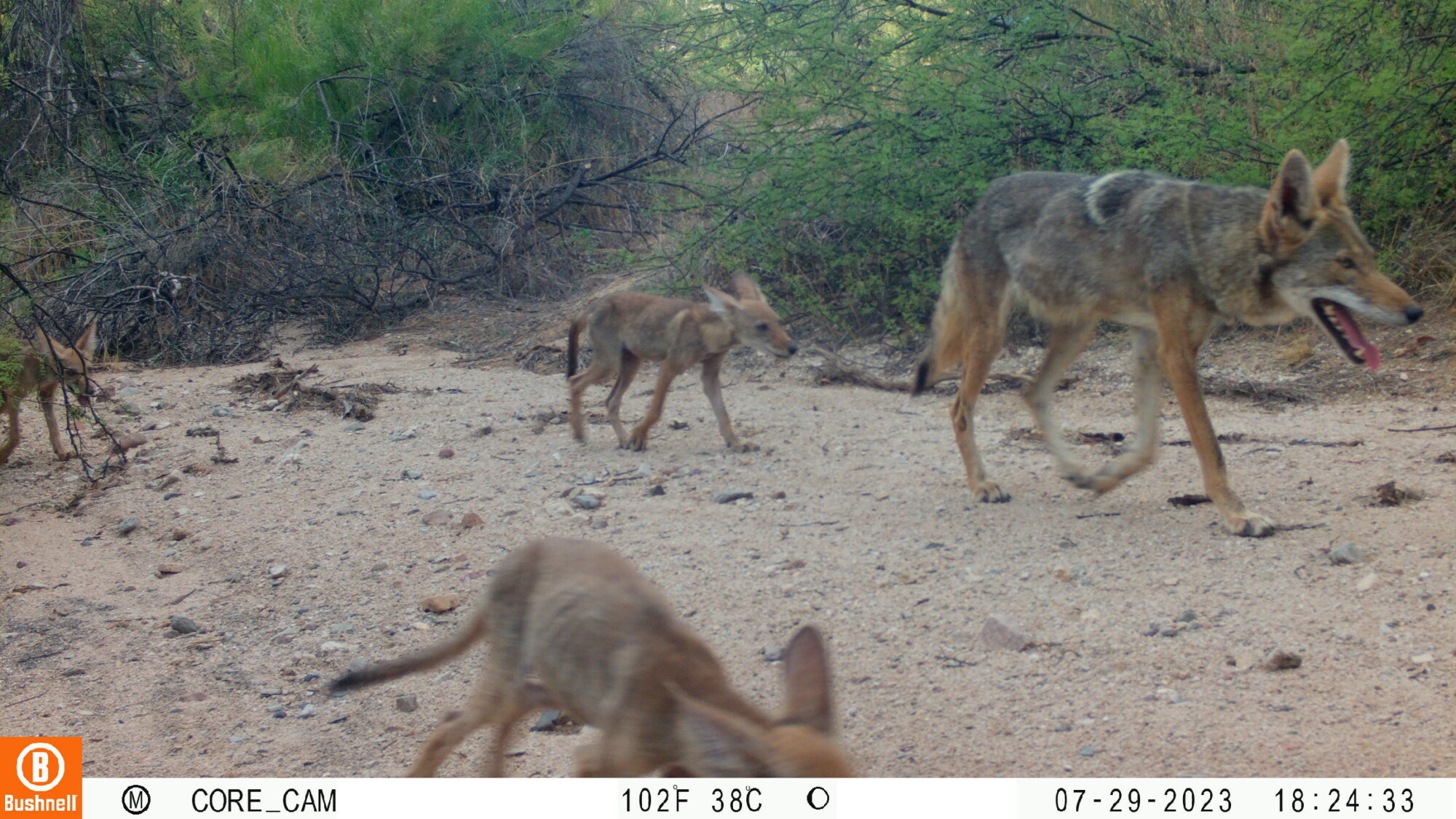
The cameras captured a wide variety of wildlife. Urban-adapted species, such as bobcats and coyotes, are especially doing well. However, they recorded relatively few mesocarnivores (medium-sized omnivores like badgers and skunks), which are very sensitive to development and habitat loss. Some rare cameos included a Gila monster, bighorn sheep, white-nosed coati, mountain lions, black bear, ringtail, striped skunk and spotted skunk.
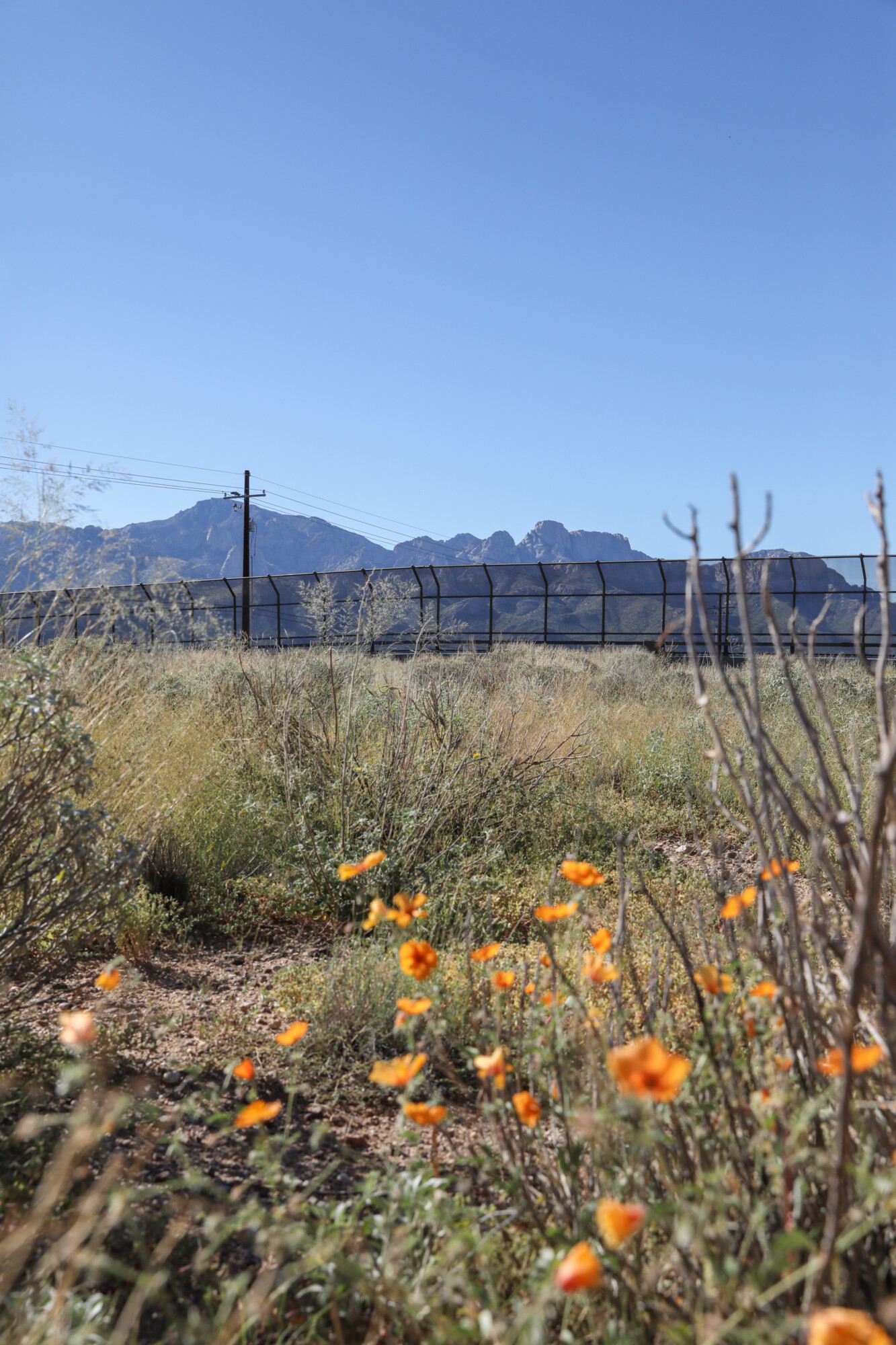
The data also showed that animals favored the wide-open habitat and limited development on the east side of Oracle Road, highlighting the importance of protected open spaces for wildlife to roam.
“Wildlife crossings are part of the solution, but they can’t replace protected open space. Getting animals safely across a road is only one piece of the puzzle; we also need to protect the habitat and corridors that enable them to keep moving. A crossing is only as valuable as the places it connects,” shared Nick Maya, Program Manager for the Coalition for Sonoran Desert Protection.
Allie Burnett, Wildlife Biologist with CSDP, shared that “Oro Valley’s wildlife crossings are an amazing illustration of what can happen when people work together to find solutions that benefit both humans and wildlife. Habitat destruction remains a major concern as urban sprawl continues, and we will need to continue protecting wild spaces and developing creative solutions to keep both of these communities healthy.”
Looking ahead, CSDP hopes to build on lessons learned from the Oracle Road crossings by continuing to monitor wildlife across southern Arizona and working to protect and reconnect local wildlife corridors. The group says the success of these crossings is a reminder that, with community support and long-term conservation efforts, wildlife can continue to find a way through a changing landscape.
You can read the full report with more details on their website, sonorandesert.org.
Photos below are available for media use with credit:
CONTACT:
Allie Burnett, Wildlife Biologist, Coalition for Sonoran Desert Protection, allie.burnett@sonorandesert.org
Nick Maya, Program Manager, Coalition for Sonoran Desert Protection, nick.maya@sonorandesert.org