Pima County and the Town of Marana have now both officially designated the wildlife connections between the Avra Valley, Tucson Mountains, and Tortolita Mountains as the William Shaw Corridor honoring Dr. Shaw, an esteemed ecologist and longtime champion of wildlife connectivity in southern Arizona.
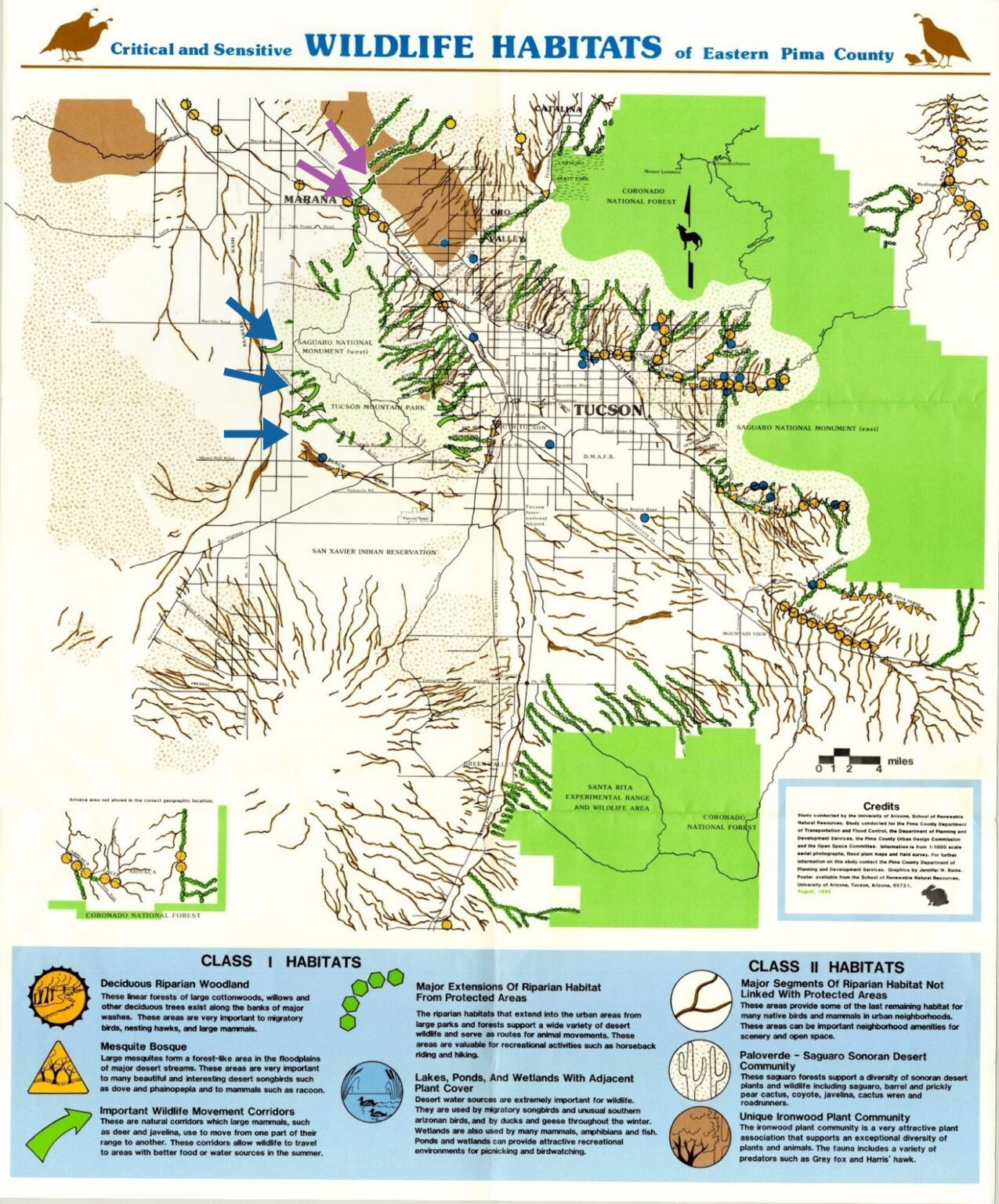
Putting wildlife corridors on the map
In 1989, Shaw identified the wildlife corridor through Avra Valley as a vital area for wildlife movement. His work on the “Bunny Map” and as chair of the Science Technical Advisory Team for the Sonoran Desert Conservation Plan helped shape local conservation planning efforts to this day.
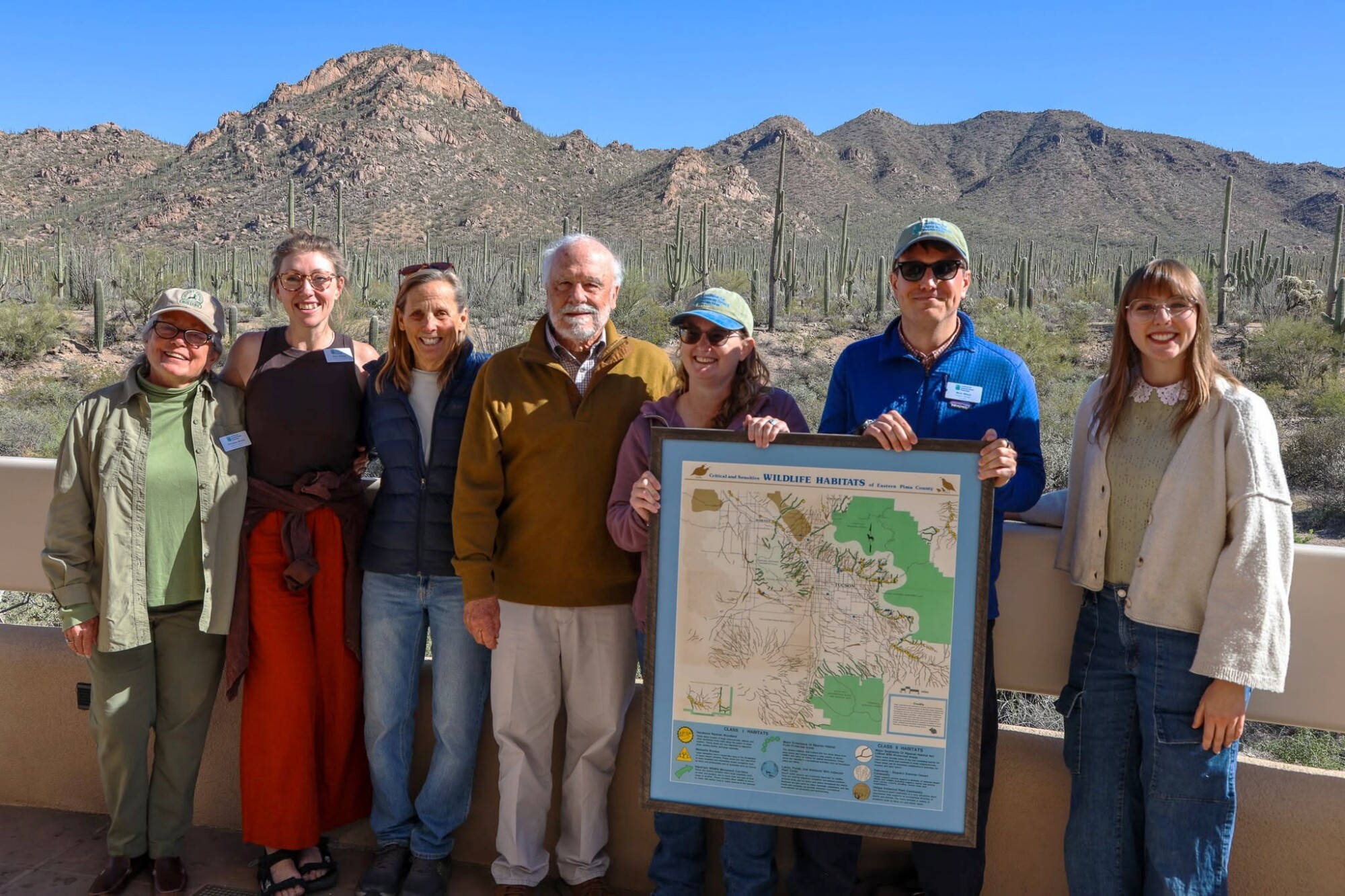
With Marana’s recent resolution, this corridor is now officially named from end to end. The William Shaw Corridor extends from the Tucson Mountains, through Saguaro National Park West, into Marana, up towards the Tortolita Mountains and includes the open space set aside in the new Cascada master planned community.
Protected and connected wildlife corridors make all the difference for our local wildlife. They are essential routes that help animals find new habitats, navigate urban areas, access resources, and maintain healthy populations.
The importance of corridors
Nearly 40 years after Dr. Shaw identified this corridor, CSDP and our partners continue this work to ensure this linkage has lasting protections that will support the wildlife that depend on it.
We continue to speak up for the desert’s most sensitive areas, especially the wildlife corridors and open spaces that wildlife depend on to survive in an increasingly developed landscape.
Congratulations and a huge thank you to Dr. Shaw for his contributions to this work!